Make Eye Care a Part of Your New Year Health Routine
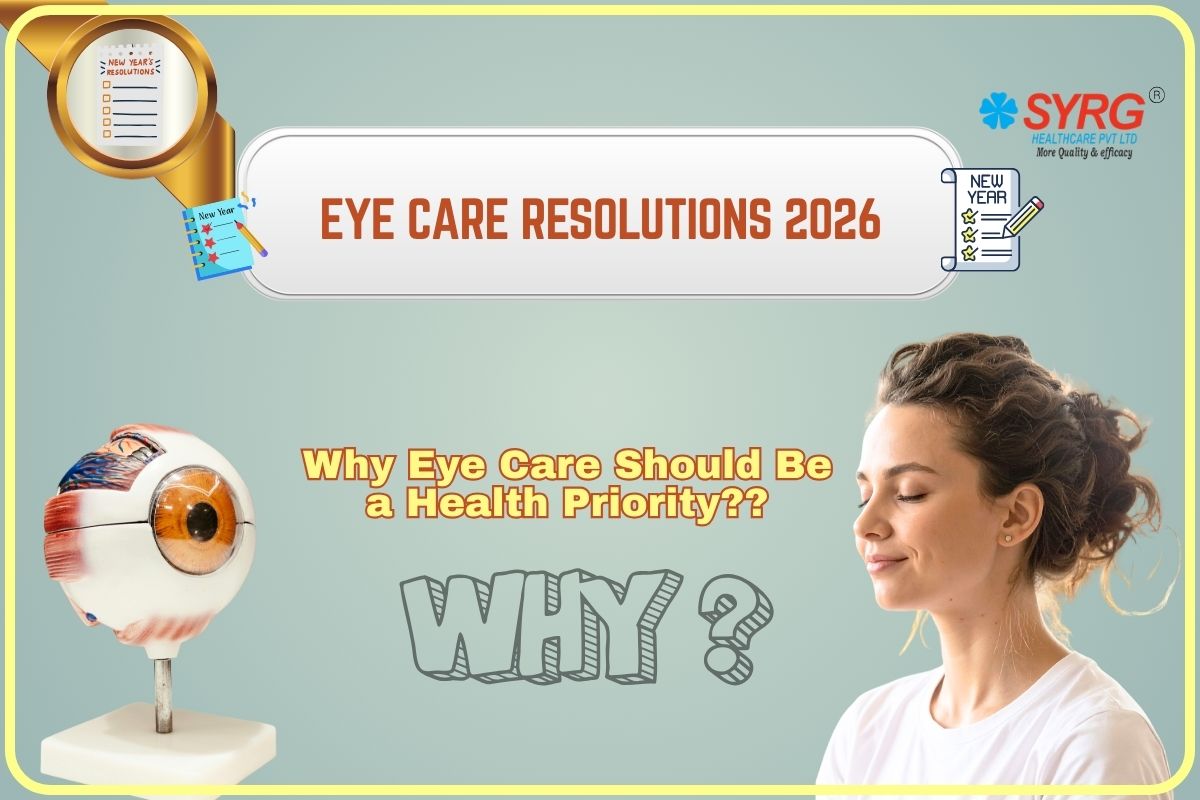
Why Eye Care Should Be a Health Priority
In today’s digital world, our eyes are under constant stress due to:
- Prolonged screen time
- Poor lighting conditions
- Irregular sleep patterns
- Environmental pollution
- Lack of regular eye checkups
Ignoring eye health can lead to digital eye strain, dry eyes, headaches, blurred vision, and long-term vision problems. Making eye care a daily habit helps prevent these issues and supports overall well-being.
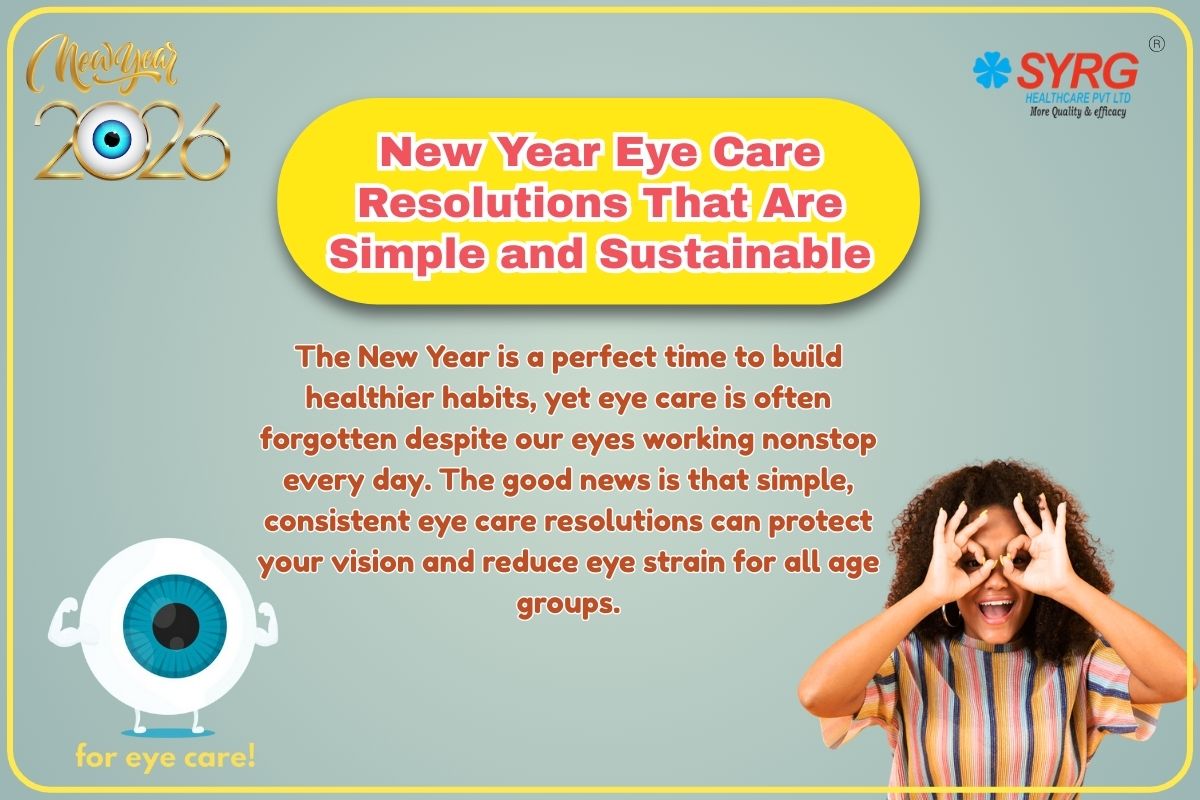
Simple New Year Eye Care Resolutions You Can Actually Keep
1. Follow the 20-20-20 Rule
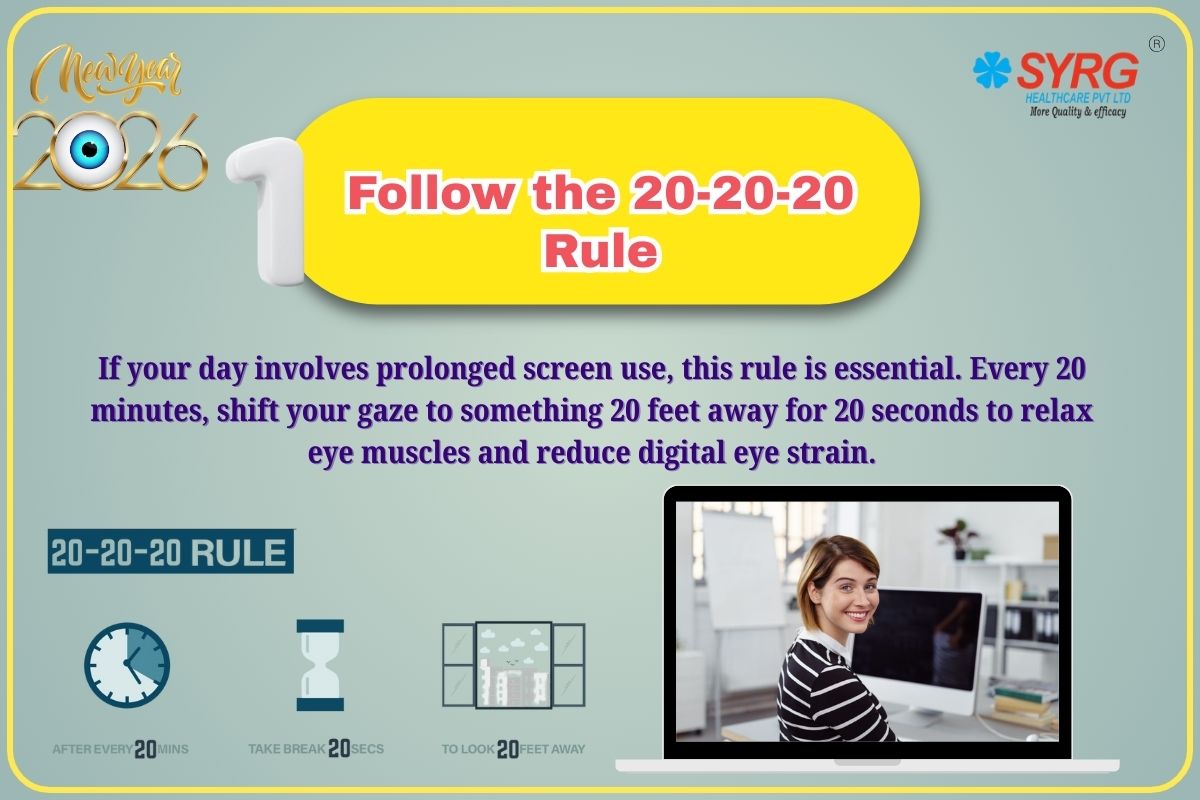
If you spend long hours on digital screens, this rule is a must.
Every 20 minutes, look at something 20 feet away for 20 seconds.
This simple habit relaxes eye muscles and reduces digital eye strain—easy, effective, and free.
2. Blink More Often
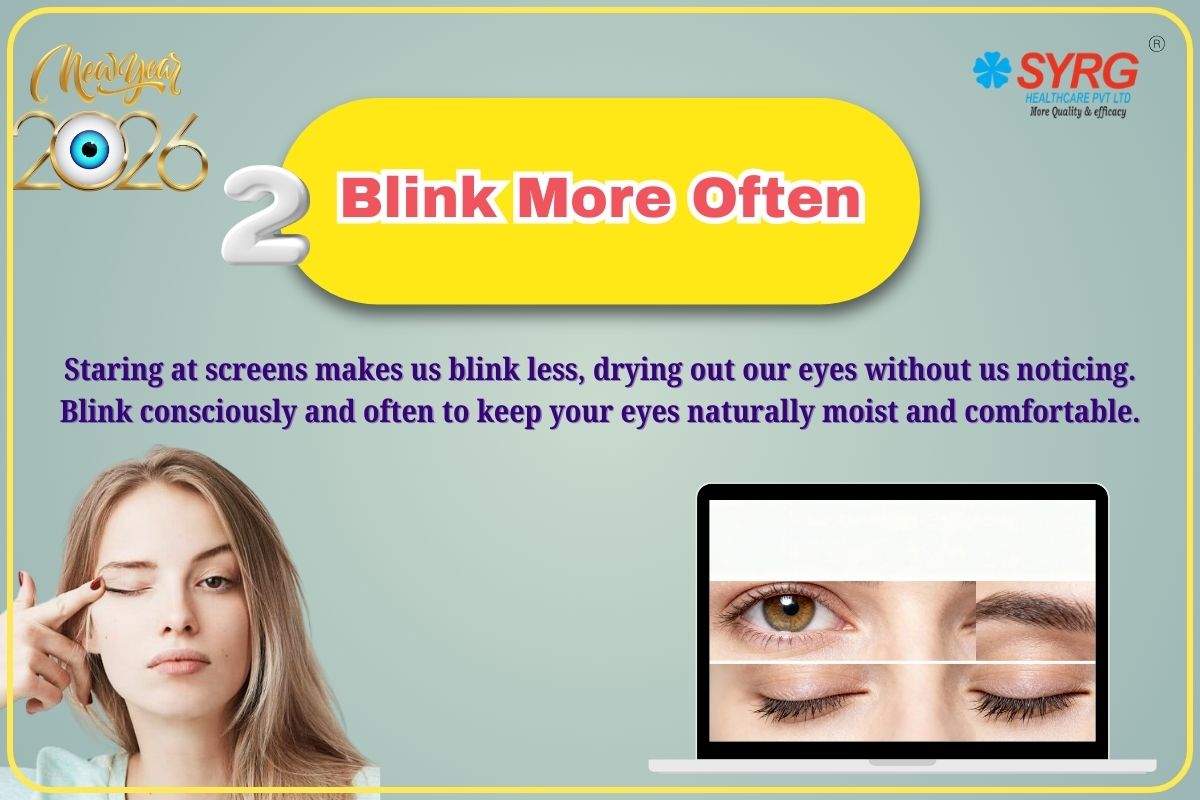
When we stare at screens, our blink rate reduces without us realizing it, leading to dry and irritated eyes.
Make a conscious effort to blink frequently to keep your eyes naturally lubricated and comfortable.
3. Keep Your Eyes Hydrated
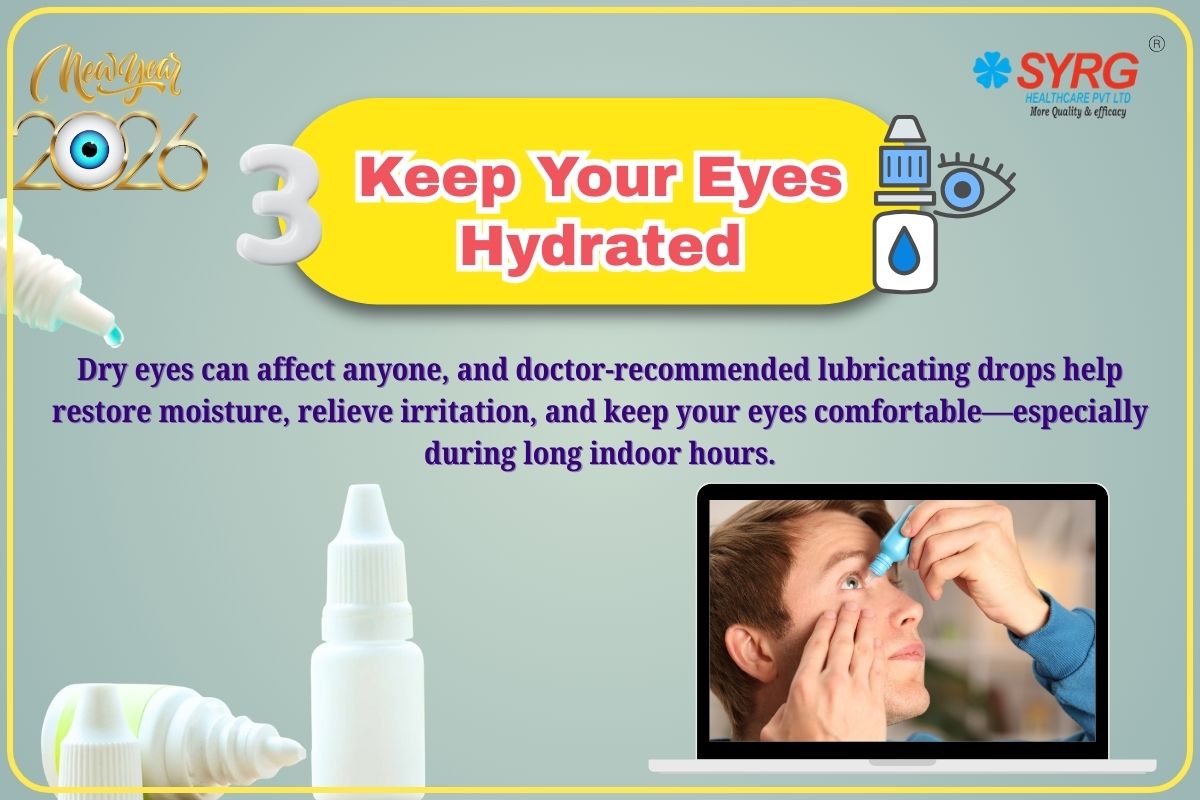
Dryness is a common eye complaint across all age groups.
Using doctor-recommended lubricating eye drops can help maintain moisture, soothe irritation, and provide long-lasting comfort—especially for people working long hours indoors.
4. Eat for Your Eyes
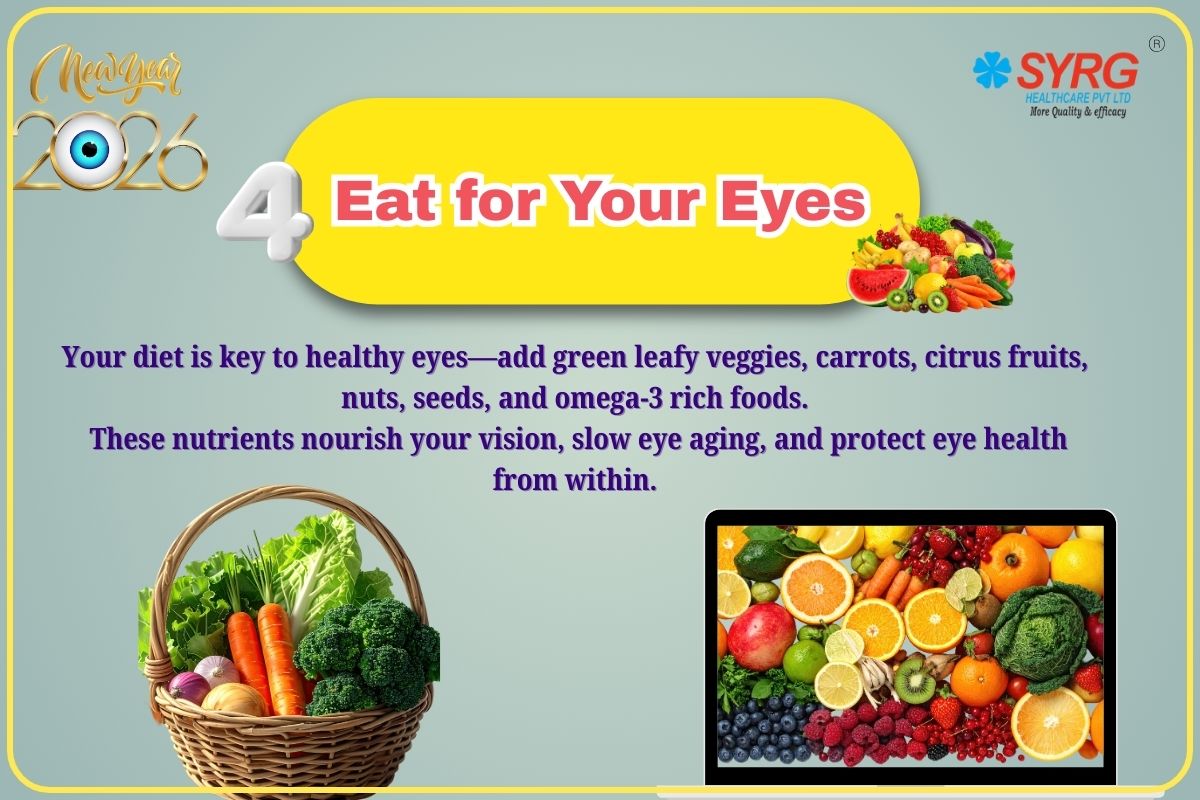
Your diet plays a major role in eye health. Include:
- Green leafy vegetables
- Carrots and citrus fruits
- Nuts and seeds
- Omega-3 rich foods
These nutrients support vision, protect against eye aging, and keep your eyes healthy from within.
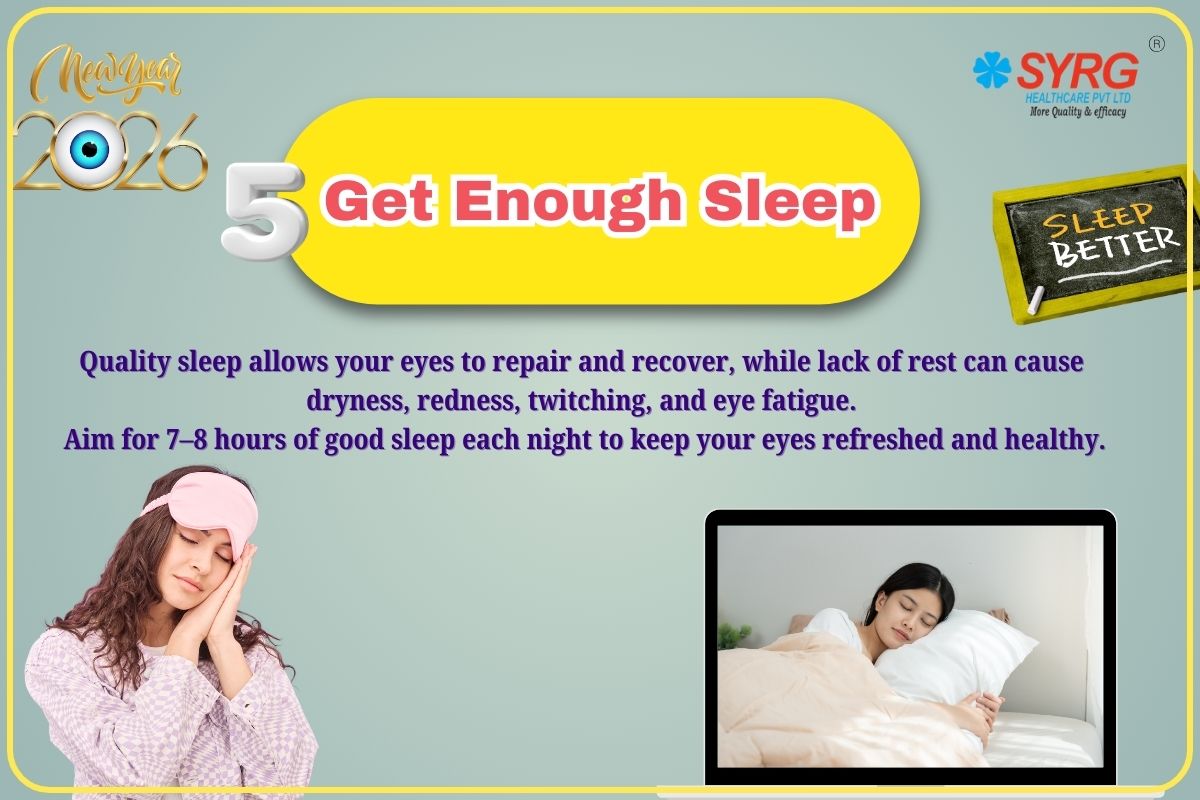
5. Get Enough Sleep
Sleep is essential for eye repair and recovery. Poor sleep can lead to redness, dryness, twitching, and tired eyes.
Aim for 7–8 hours of quality sleep every night to help your eyes refresh and recharge.
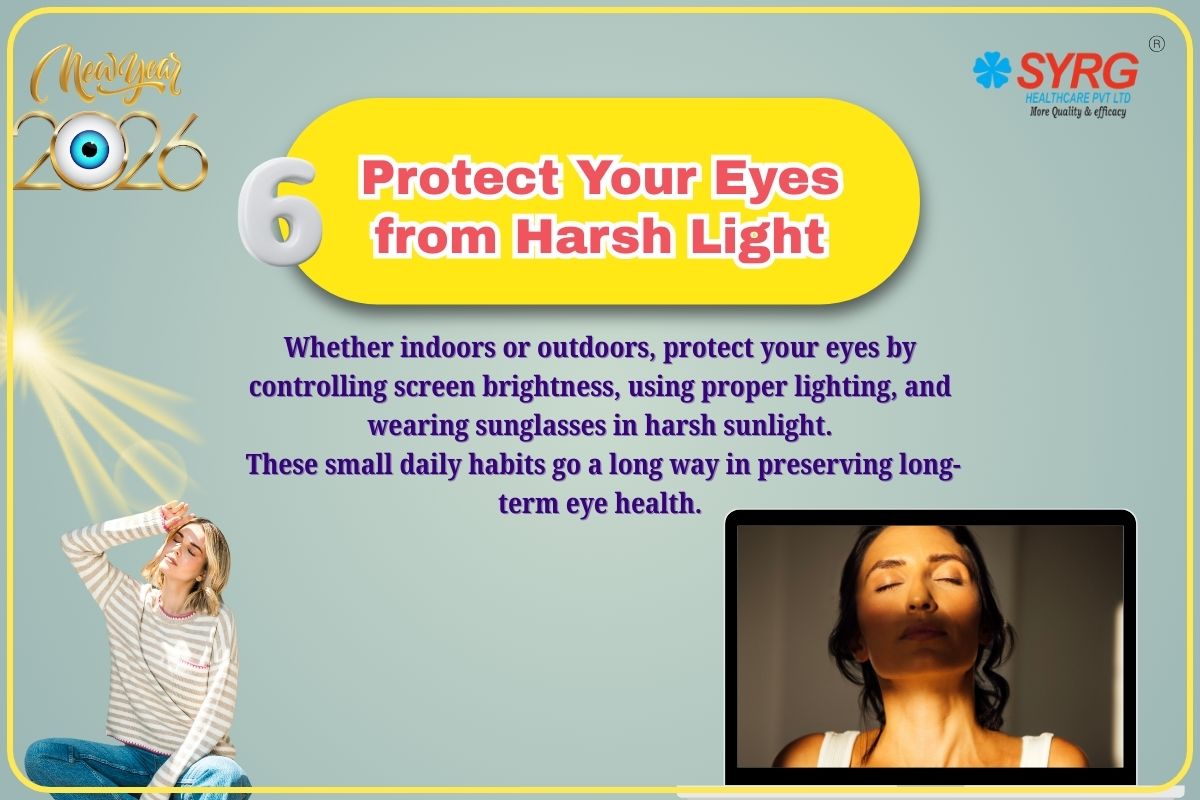
6. Protect Your Eyes from Harsh Light
Whether indoors or outdoors:
- Avoid excessive screen brightness
- Use proper lighting while reading
- Wear protective eyewear or sunglasses when exposed to harsh sunlight
Small protective steps can make a big difference in long-term eye health.
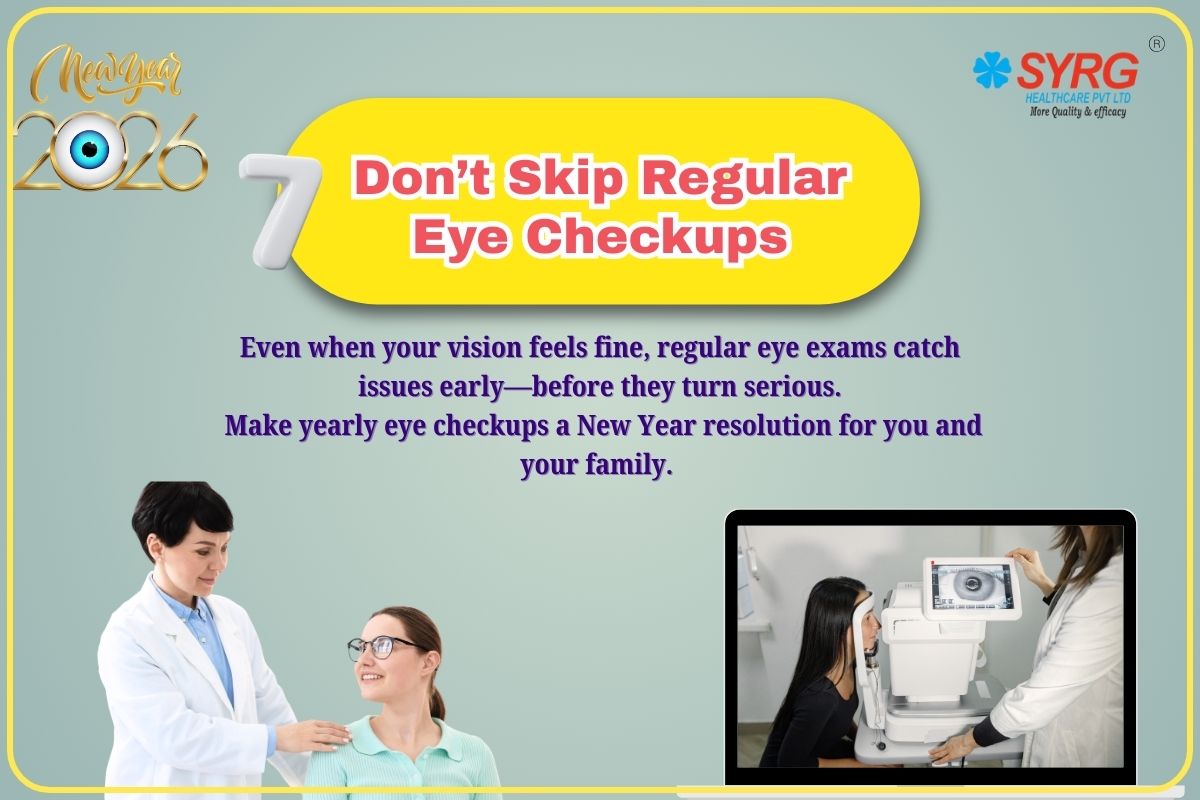
7. Don’t Skip Regular Eye Checkups
Even if your vision feels normal, regular eye exams help detect problems early—before they become serious.
Make it a New Year resolution to schedule an eye checkup at least once a year for yourself and your family.
Eye Care for Every Age Group
One of the best things about these resolutions is that they are:
- Simple
- Affordable
- Easy to follow
- Suitable for children, working professionals, and seniors
Eye care is not about perfection—it’s about consistency.
Start Small Today, Your Eyes Will Thank You Tomorrow
You don’t need to change everything overnight. Start with one or two habits, practice them daily, and gradually build a healthy eye care routine.
This New Year, make a promise to your eyes.
Because healthy vision today means a clearer, brighter tomorrow.
Frequently Asked Questions (FAQs)
1. Why should eye care be part of my New Year health routine?
Eye care is essential because our eyes are constantly exposed to screens, pollution, and stress. Making eye care a daily habit helps reduce eye strain, prevent dryness, and protect long-term vision health.
2. Are eye care routines complicated or time-consuming?
Not at all. Simple habits like following the 20-20-20 rule, blinking regularly, staying hydrated, and getting enough sleep can make a big difference without adding extra effort to your day.
3. What is the 20-20-20 rule and how does it help?
The 20-20-20 rule means taking a break every 20 minutes to look at something 20 feet away for 20 seconds. It relaxes eye muscles and reduces digital eye strain caused by prolonged screen use.
4. Who should follow these New Year eye care resolutions?
These eye care habits are suitable for all age groups, including children, working professionals, and senior citizens. Anyone who uses screens or experiences eye discomfort can benefit from them.
5. How does blinking help eye health?
Blinking keeps the eyes naturally lubricated. Reduced blinking, especially during screen use, can cause dryness and irritation. Conscious blinking helps maintain eye moisture and comfort.
6. Can diet really improve eye health?
Yes. A balanced diet rich in vitamins, antioxidants, and omega-3 fatty acids supports healthy vision, slows eye aging, and helps protect against common eye problems.
7. How important is sleep for eye care?
Sleep allows the eyes to rest, repair, and recover. Poor sleep can lead to red, dry, or tired eyes. Getting enough sleep is one of the easiest ways to support eye health.
8. Do I need eye drops even if I don’t have eye problems?
Lubricating eye drops can help maintain eye moisture and comfort, especially for people who spend long hours on screens or in air-conditioned environments. Always choose doctor-recommended eye drops.
9. How often should I get my eyes checked?
It is recommended to have a comprehensive eye examination at least once a year, even if you do not notice any vision issues. Regular checkups help detect problems early.
10. Can simple eye care habits really prevent future vision problems?
Yes. Consistent eye care habits can significantly reduce the risk of eye strain, dryness, fatigue, and certain vision problems over time. Small daily actions lead to long-term benefits.
11. What is the easiest eye care habit to start with in the New Year?
Starting with the 20-20-20 rule or improving blinking habits is simple and effective. These require no tools and can be practiced anywhere.
12. When should I consult an eye specialist?
If you experience persistent dryness, headaches, blurred vision, redness, or eye pain, it’s important to consult an eye specialist immediately rather than ignoring the symptoms.